Home
Home  Navigation


Every couple of years, Nvidia introduces a high-end graphics card that pushes PC gaming into a new era. The Nvidia GeForce RTX 5090 is one such card, but it achieves next-generation performance in an unconventional way. In many games, the performance gain over the RTX 4090 isn't as significant as expected, especially when DLSS Frame Generation is not in use. However, with the new generation of Nvidia's DLSS, which includes both upscaling and frame generation, we see leaps in image quality and performance that surpass typical generational improvements.
The extent to which the Nvidia RTX 5090 feels like an upgrade largely depends on the games you play, the resolution at which you play them, and your comfort with AI-generated frames. For gamers using displays below 4K with a 240Hz refresh rate, the upgrade might not be justified. However, if you're equipped with a high-end display, the AI-generated frames can offer a glimpse into the future of gaming.
Nvidia GeForce RTX 5090 – Photos

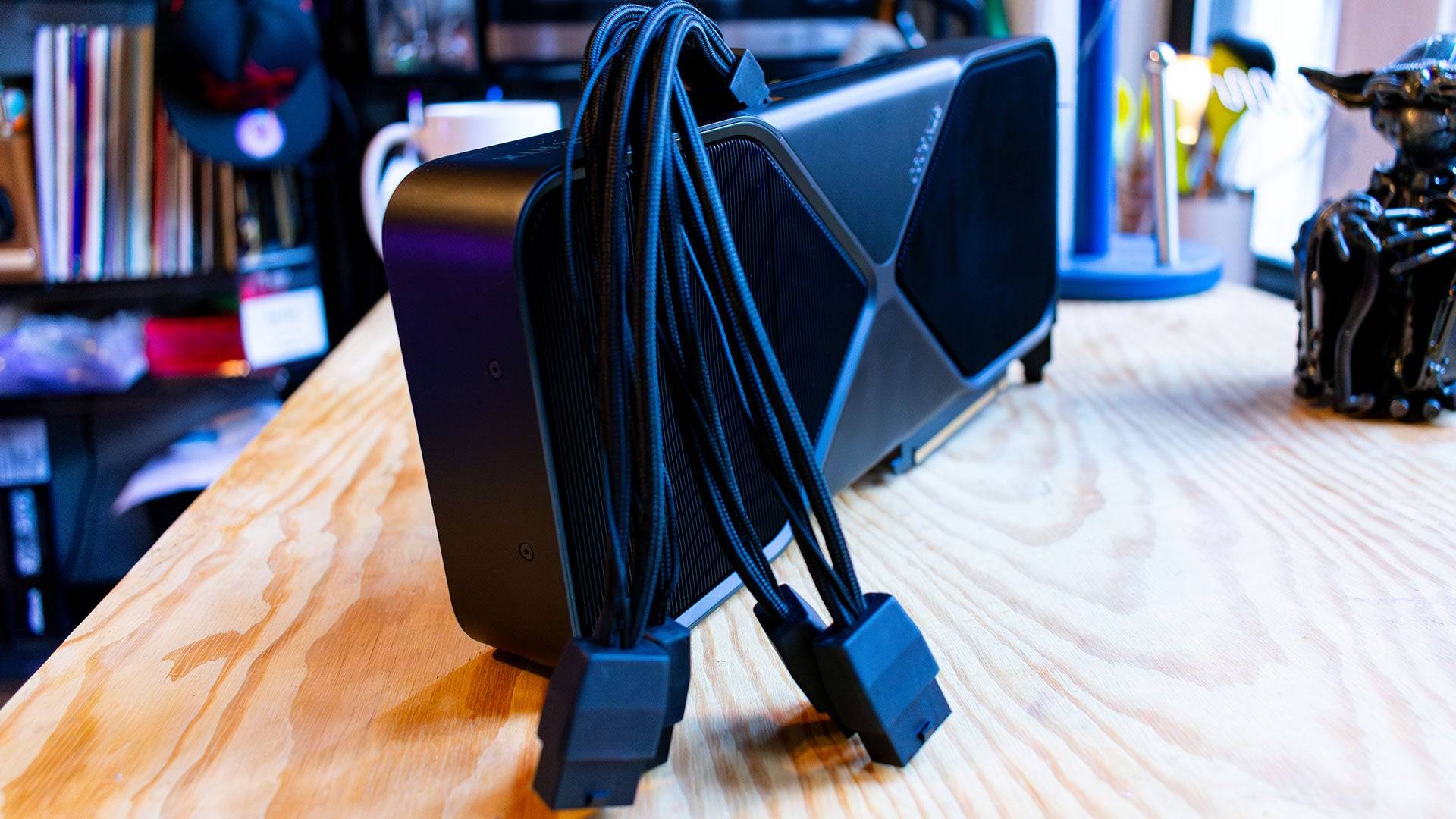 5 Images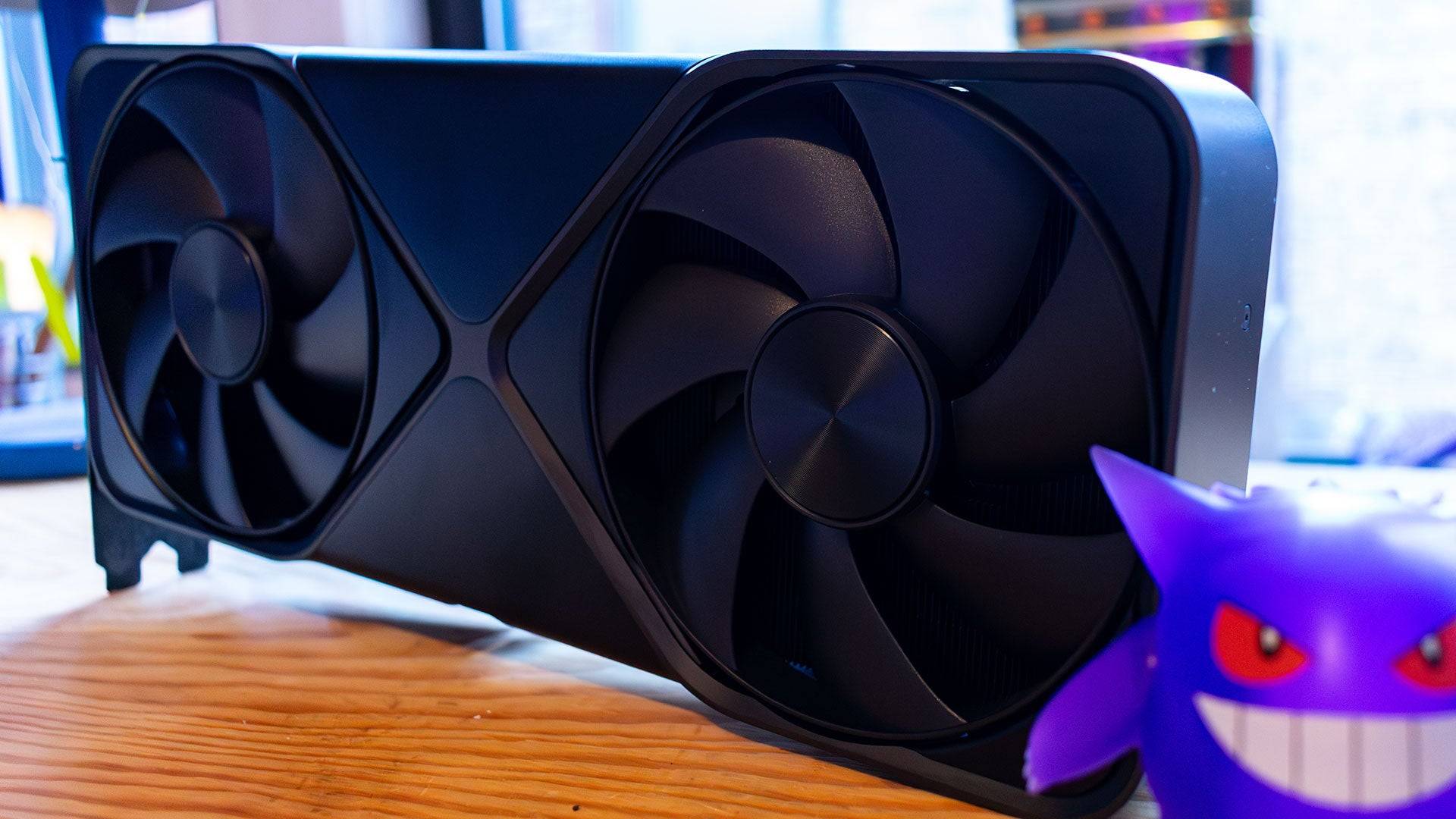


RTX 5090 – Specs and Features
The Nvidia GeForce RTX 5090 is powered by the Blackwell architecture, which is already driving data centers and supercomputers behind many popular AI models. This hints at the card's strengths, but Nvidia hasn't overlooked the traditional aspects of graphics performance.
With the RTX 5090, Nvidia has managed to increase the number of Streaming Multiprocessors (SMs) within the same Graphics Processing Clusters (GPCs), resulting in 21,760 CUDA cores, up from 16,384 in the RTX 4090. This 32% increase in shader cores significantly boosts raw gaming performance.
Each SM features four Tensor Cores and one RT Core, similar to the previous generation. This gives the RTX 5090 680 Tensor Cores and 170 RT cores, compared to 512 and 128 in the RTX 4090. The fifth-generation Tensor Cores enhance AI performance, now supporting FP4 operations to reduce VRAM dependency.
The RTX 5090 comes equipped with 32GB of GDDR7 VRAM, a step up from the GDDR6X in the RTX 4090, promising faster and more power-efficient memory. However, the card's power requirement of 575W, a significant jump from the RTX 4090's 450W, indicates that power efficiency isn't Nvidia's primary focus here.
Nvidia has upgraded the DLSS algorithm to run on a Transformer Neural Network (TNN), which should improve image quality and reduce issues like ghosting. Additionally, the introduction of Multi-Frame Generation enhances frame rate efficiency, though it's recommended to enable this feature only if you're already achieving a decent frame rate.
Purchasing Guide
The Nvidia GeForce RTX 5090 will be available starting January 30, with the Founders Edition priced at $1,999. Be aware that third-party models may be significantly more expensive.
The Founders Edition
Despite its high power consumption of 575W, the RTX 5090 Founders Edition surprisingly fits into a dual-slot chassis with a dual-fan configuration. During testing, including standard benchmarks and gameplay with DLSS 4 and multi-frame generation, the card's temperature peaked at 86°C, higher than the RTX 4090's 80°C but not high enough to cause throttling.
Nvidia achieved this by shrinking the PCB and positioning it centrally, with fans on either side and a heatsink running through the card's width. The design allows air to flow from the bottom through the top and out of the PC case, without rear exhaust vents.
The RTX 5090 Founders Edition maintains a design language similar to previous generations, featuring a silver 'X' design and a gunmetal-gray chassis. It includes a 'GeForce RTX' logo with white LEDs and a new 12V-2x6 power connector, which is more efficient than its predecessor. The card's compact design makes it suitable for smaller PC builds, though third-party models may be larger.
DLSS 4: Fake Frames?
Nvidia claims the RTX 5090 can boost performance by up to 8x, though actual results are more modest. The card's real next-generation advantage lies in its ability to generate extra frames, thanks to DLSS 4 and its 'Multi-Frame Generation' feature. This is supported by a new AI Management Processor (AMP) core, which efficiently assigns work across the GPU.
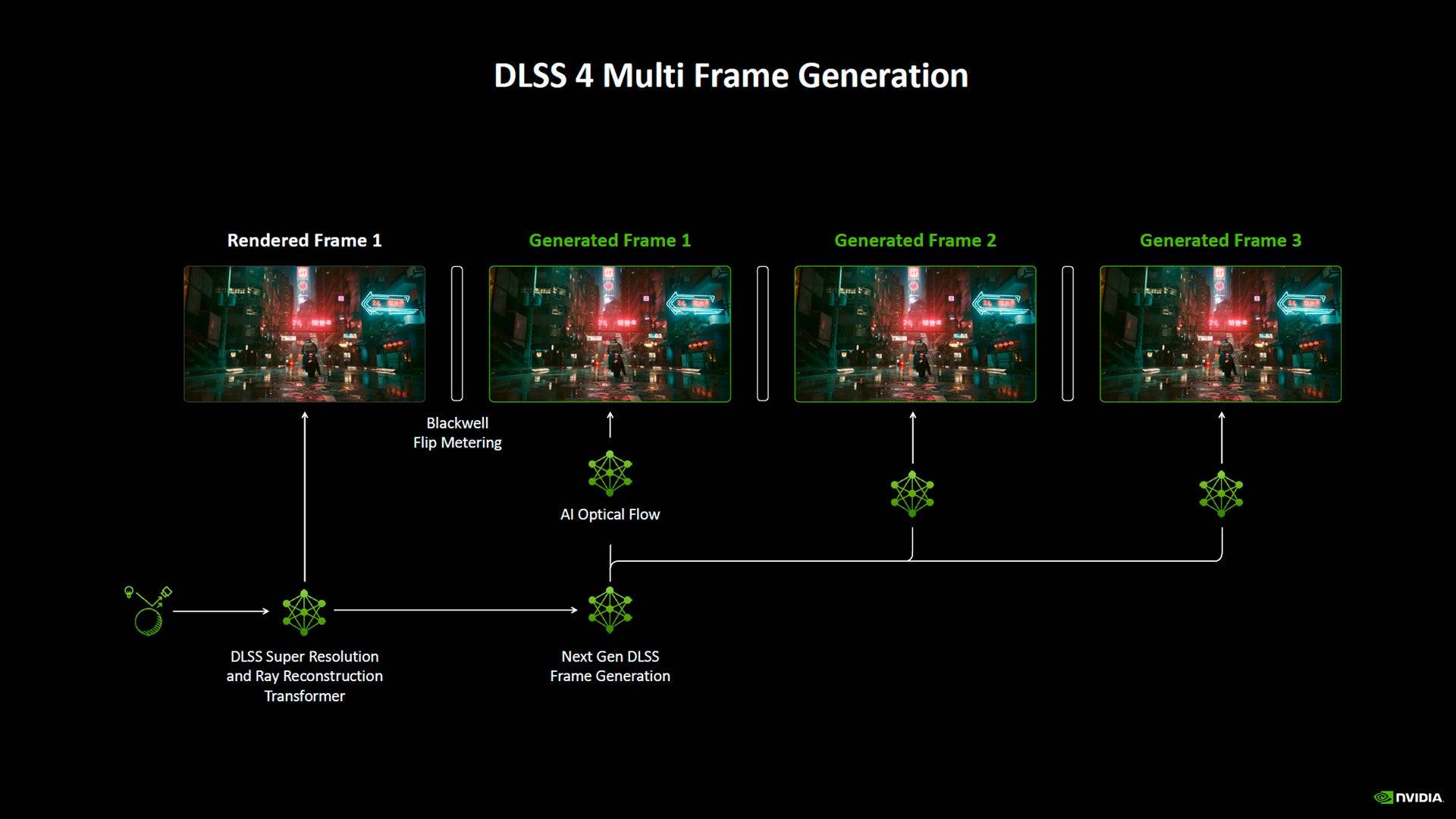
The AMP and fifth-generation Tensor Cores enable a new frame generation model that's 40% faster and requires 30% less memory. This model can generate three AI frames per rendered frame, with Nvidia's Flip Metering algorithm reducing input lag. However, this feature is best used when already achieving a decent frame rate, typically paired with DLSS upscaling.
When the RTX 5090 launches, DLSS 4 will be compatible with many games supporting DLSS 3 Frame Generation. Testing in Cyberpunk 2077 and Star Wars Outlaws showed impressive results, with frame rates significantly boosted by DLSS 4's multi-frame generation.
RTX 5090 – Performance
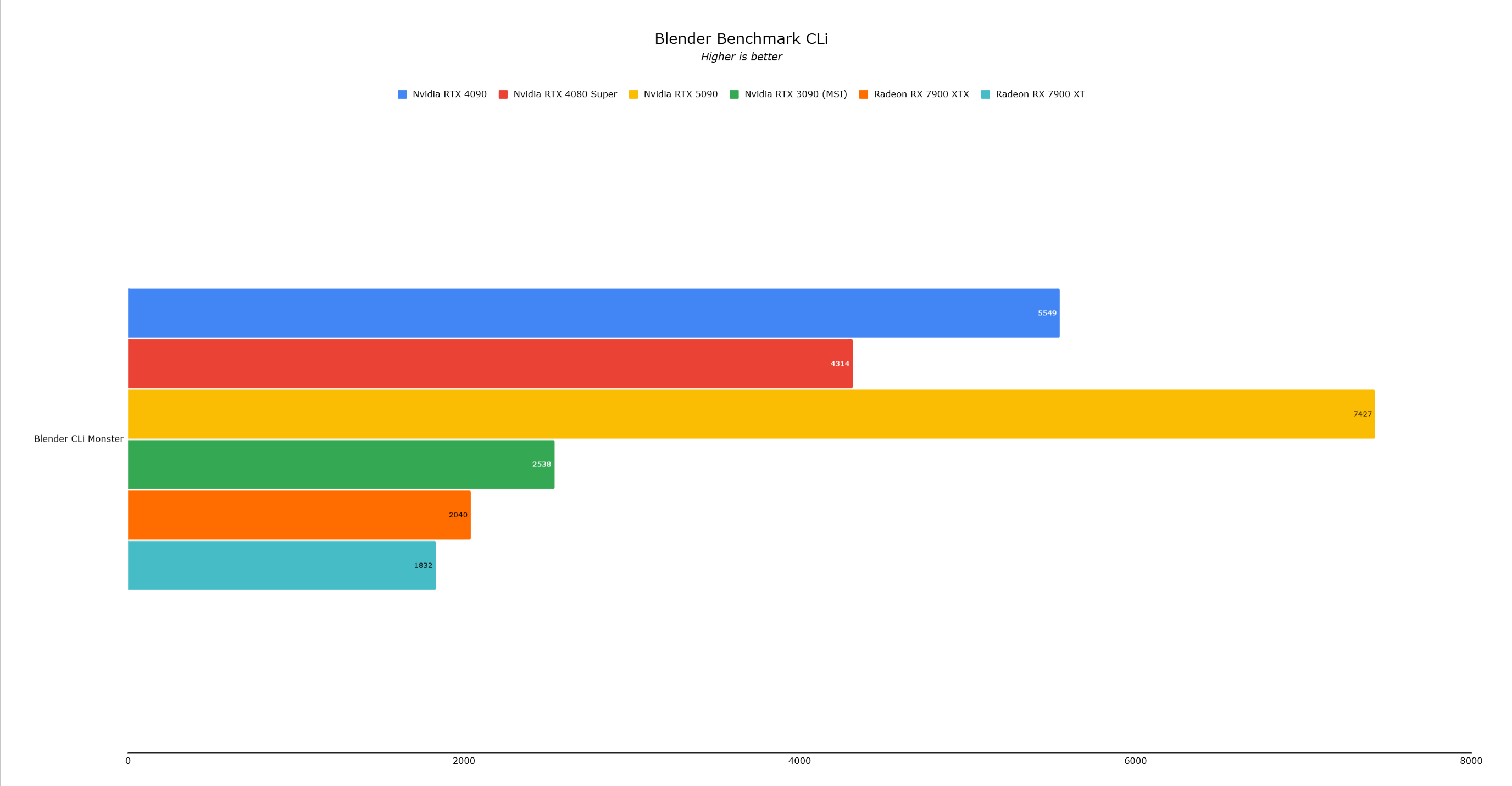
The RTX 5090 delivers a generational leap in raw performance over the RTX 4090, as evidenced by 3DMark benchmarks. However, real-world gaming performance is often limited by CPU bottlenecks, even with the powerful Ryzen 7 9800X3D.
In games like Call of Duty Black Ops 6 and Cyberpunk 2077, the performance increase over the RTX 4090 is modest, around 10% at 4K. Metro Exodus: Enhanced Edition and Total War: Warhammer 3 show more significant gains, but overall, the RTX 5090's performance uplift in current games is not as transformative as hoped.
Nvidia GeForce RTX 5090 – Benchmarks
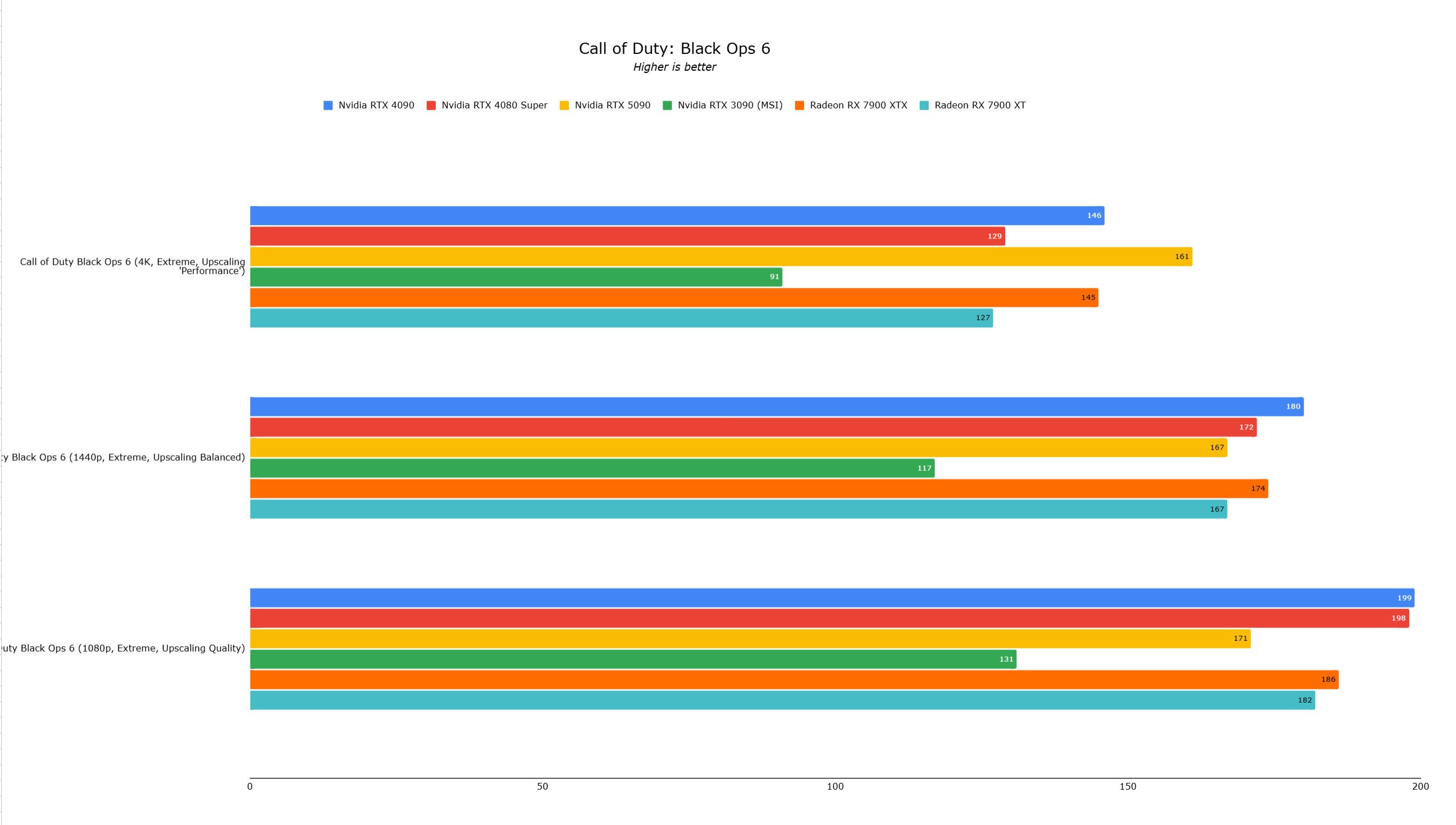
 14 Images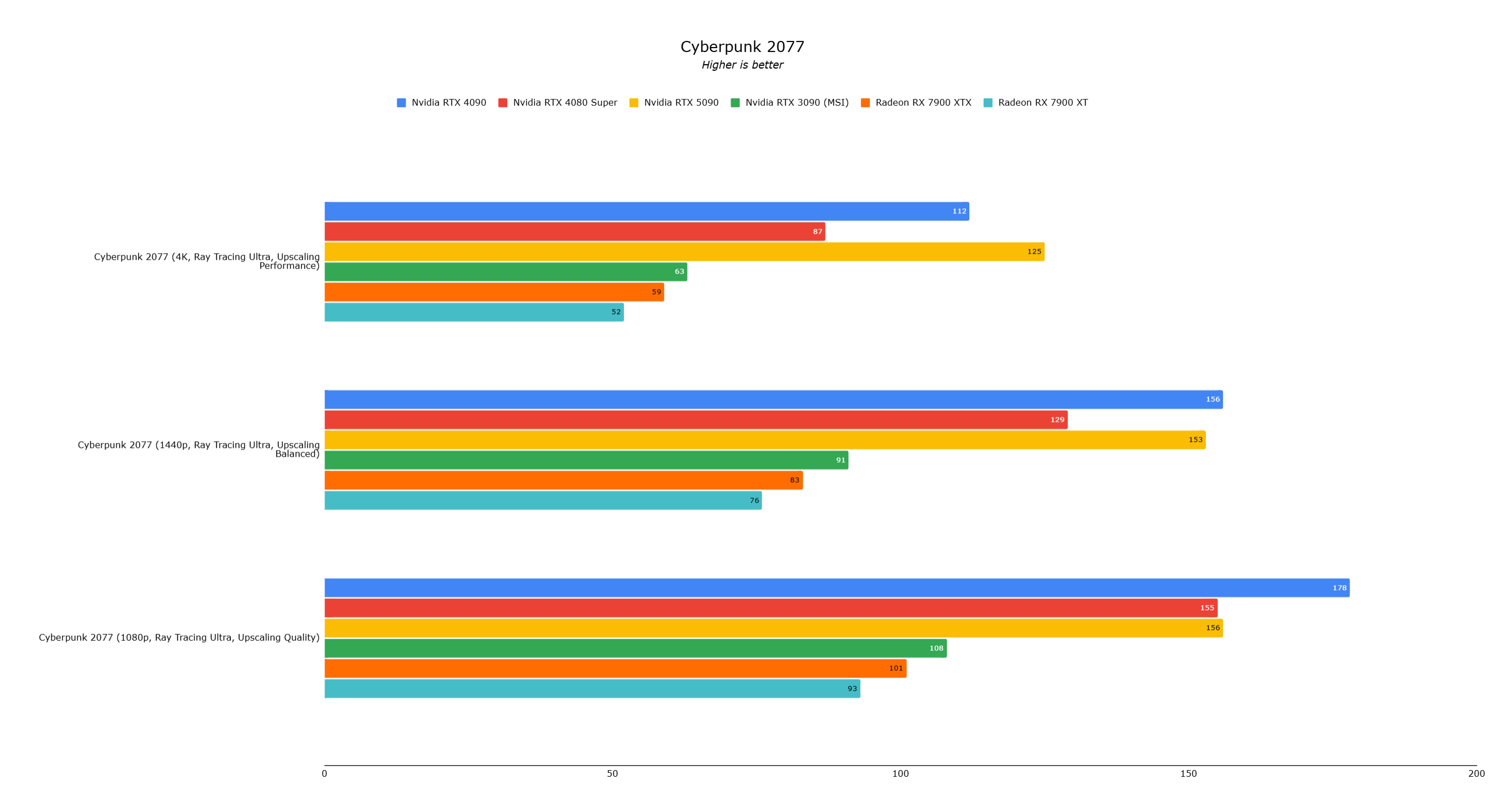
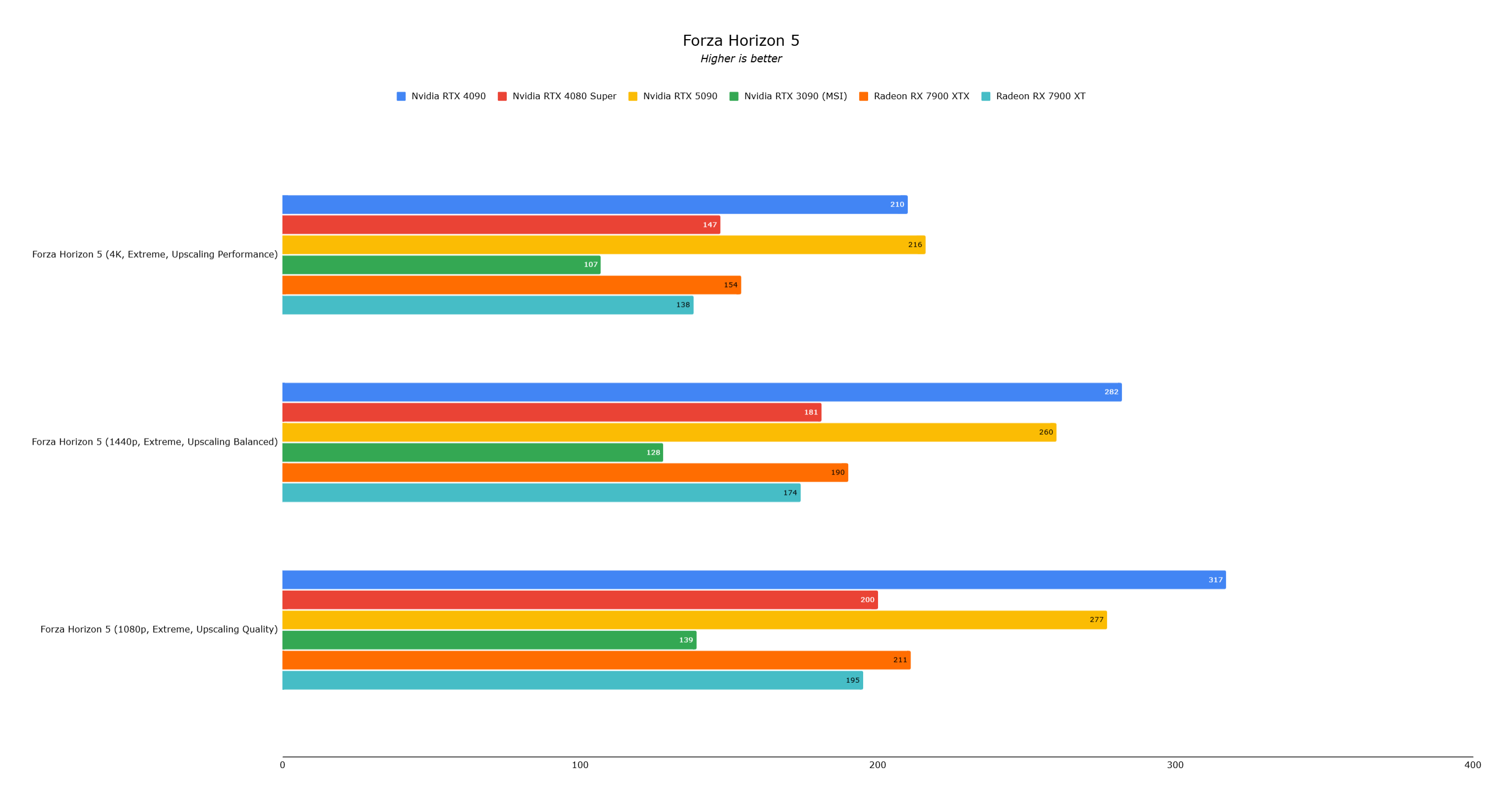
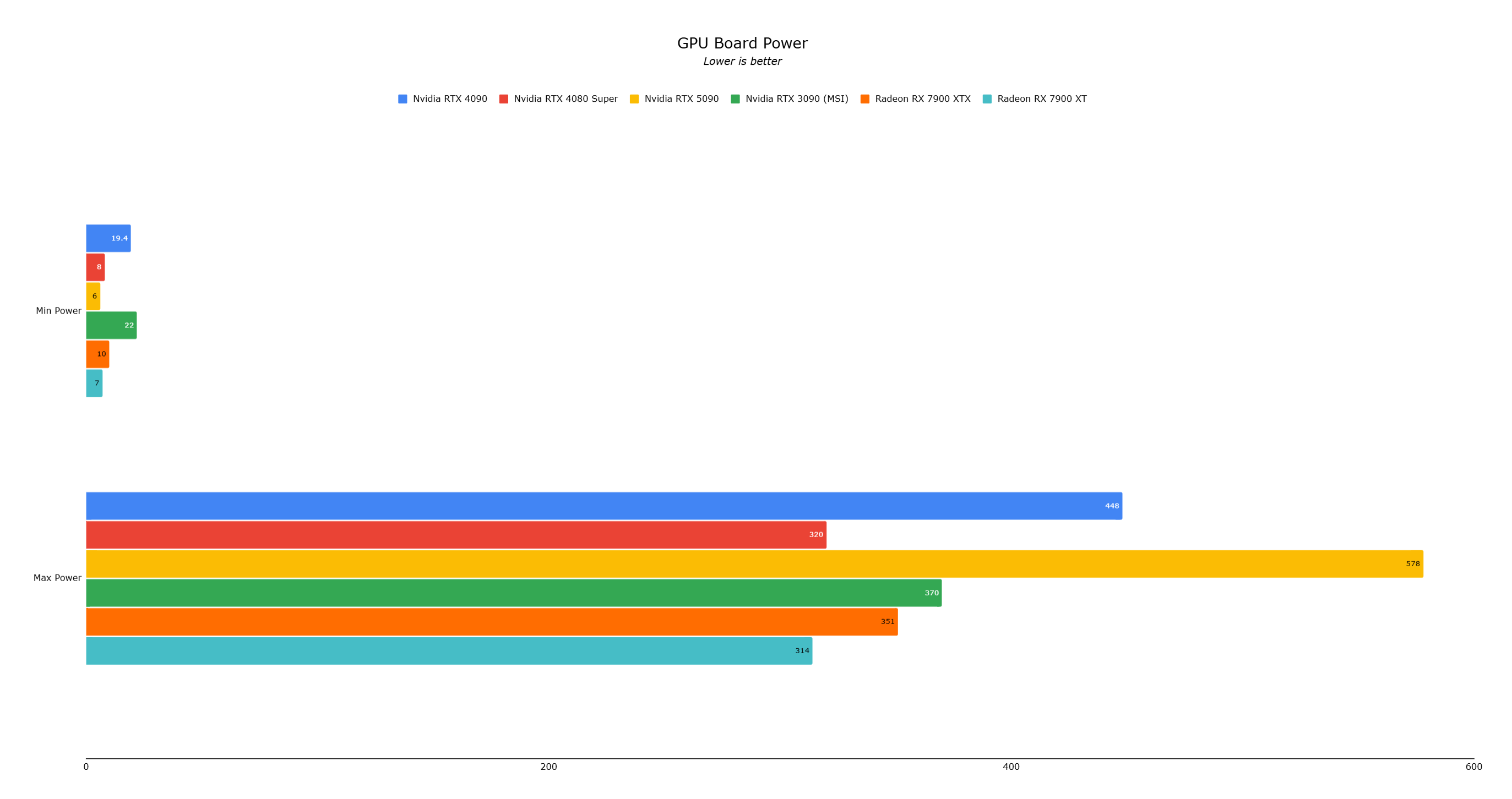
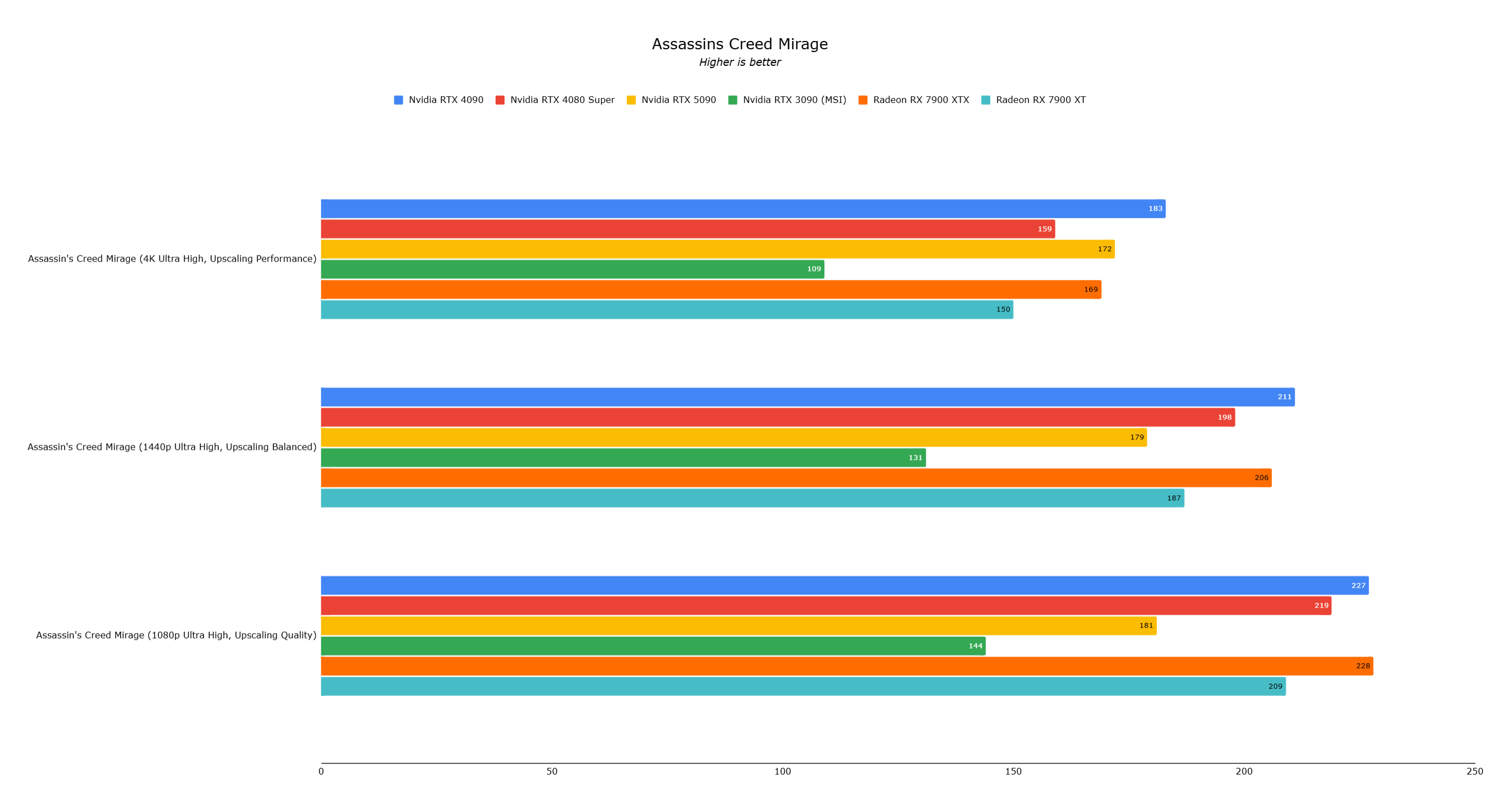
While the RTX 5090 is the fastest consumer graphics card available, its performance benefits in current games are limited. It's best suited for gamers looking to future-proof their systems and embrace the potential of AI-powered gaming, despite its high cost of $1,999 for the Founders Edition. For those with an RTX 4090, the upgrade might not be immediately necessary.
 Latest Articles





 Latest Games




![Chubby Story [v1.4.2] (Localizations)](https://imgs.xddxz.com/uploads/85/1719638042667f981a5e9f8.jpg)



![Zia – New Version 0.4 [Studio Zia]](https://imgs.xddxz.com/uploads/47/1719569268667e8b74e6004.jpg)