Home
Home  Navigation


Unlock the Secrets of Minecraft's Diverse Woods: A Comprehensive Guide
This guide explores Minecraft's twelve primary wood types, detailing their unique properties and diverse applications in crafting, building, and even farming.
Table of Contents
- Oak
- Birch
- Spruce
- Jungle
- Acacia
- Dark Oak
- Pale Oak
- Mangrove
- Warped
- Crimson
- Cherry
- Azalea
Oak
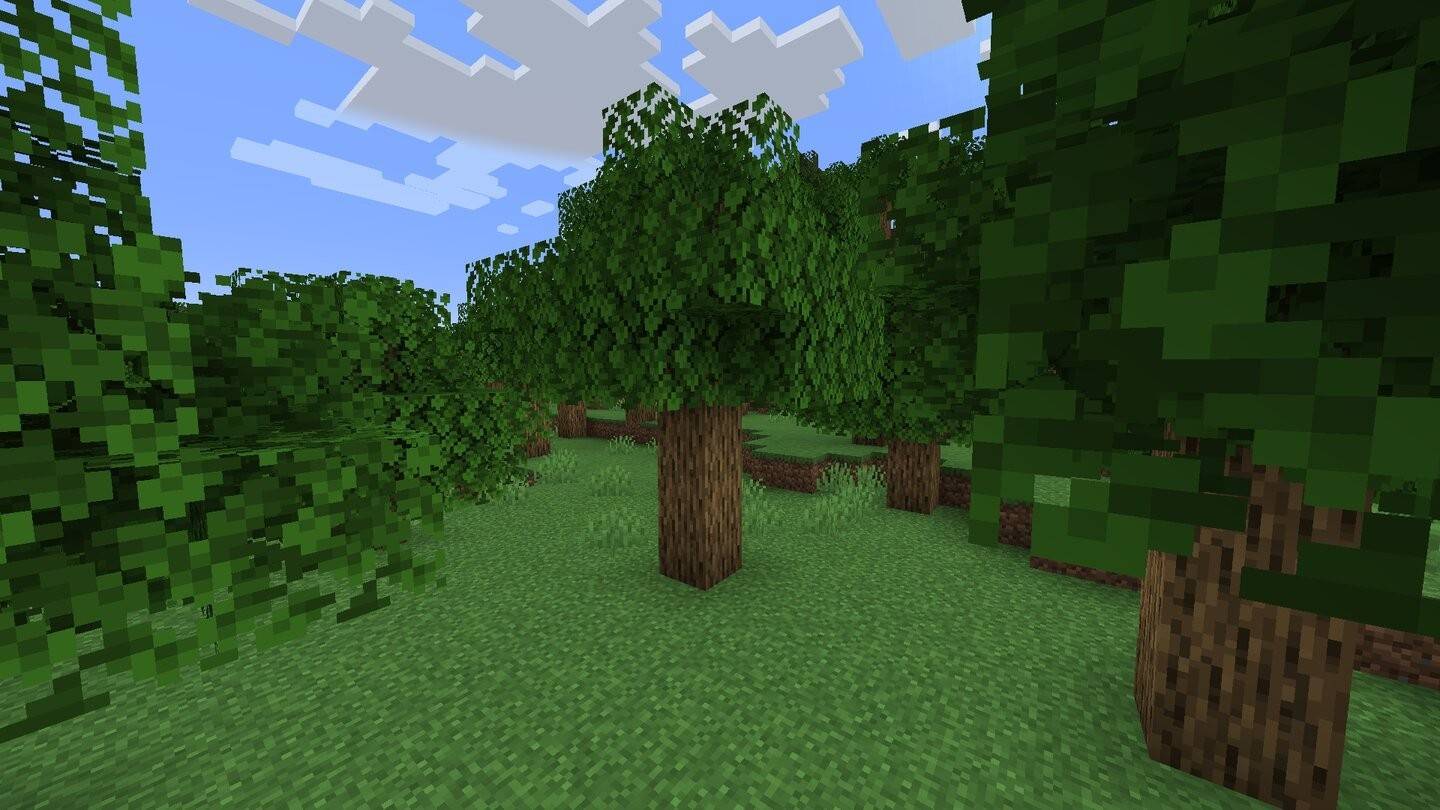 Image: ensigame.com
Ubiquitous in most biomes (excluding deserts and icy tundras), oak wood is a versatile staple for planks, sticks, fences, ladders, and more. Oak trees yield apples, useful for early-game sustenance or crafting golden apples. Its neutral tone lends itself to diverse builds, from rustic homes to urban structures.
Birch
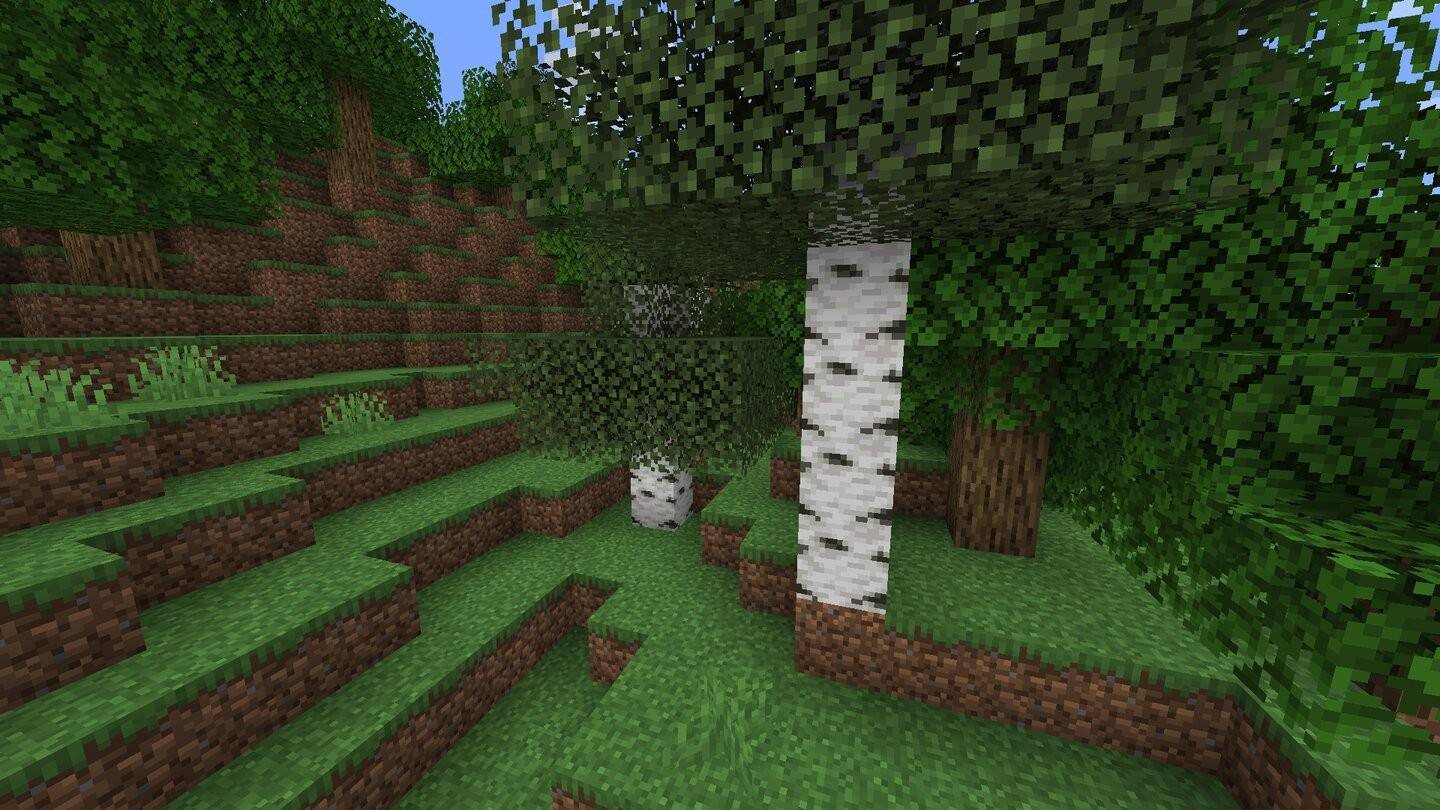 Image: ensigame.com
Found in birch forests and mixed biomes, birch wood's light, patterned texture is ideal for modern or minimalist designs. Its aesthetic complements stone and glass, creating bright, airy interiors.
Spruce
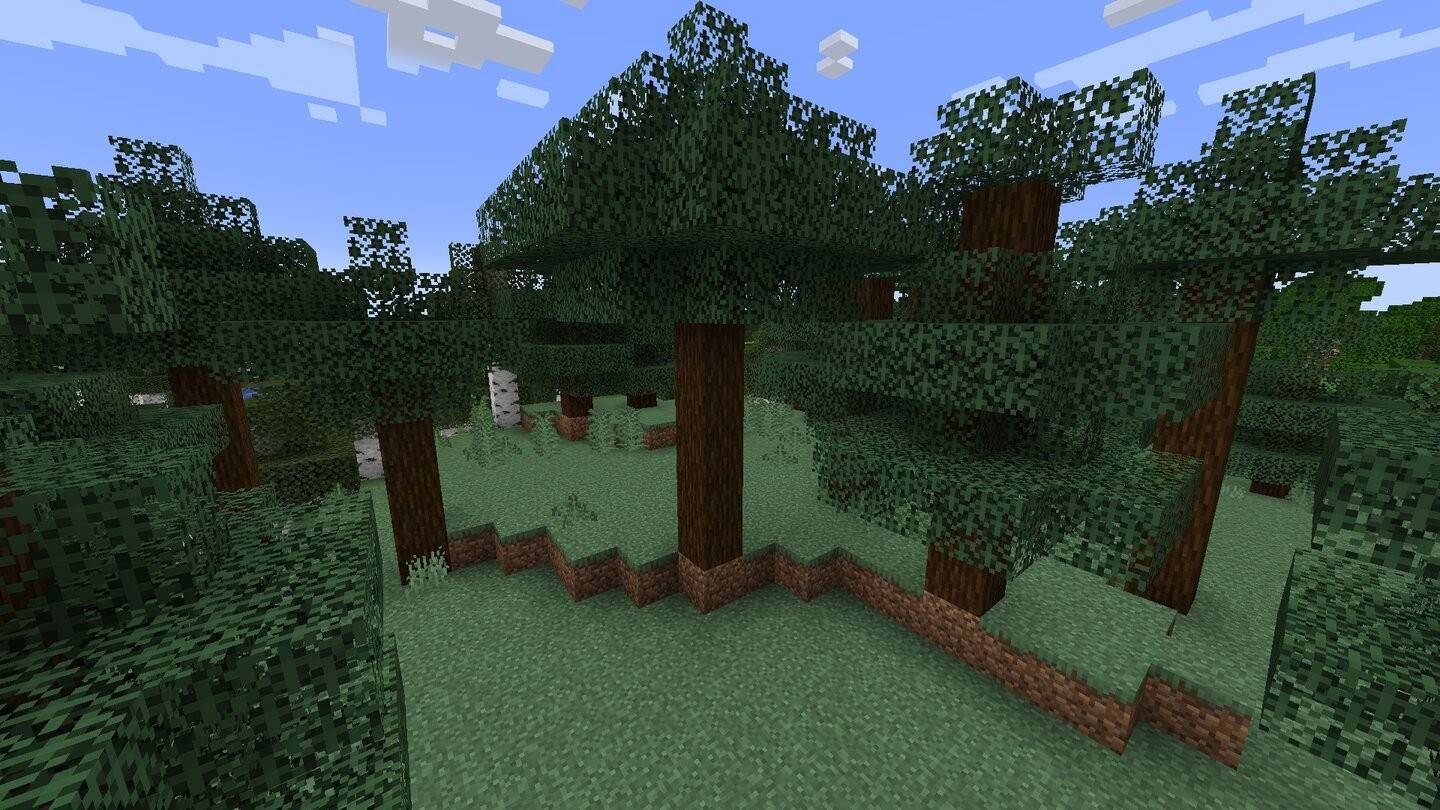 Image: ensigame.com
Dark spruce wood, harvested from taiga and snowy biomes, evokes a gothic or grim atmosphere. Its robust texture is perfect for medieval castles, bridges, or country houses.
Jungle
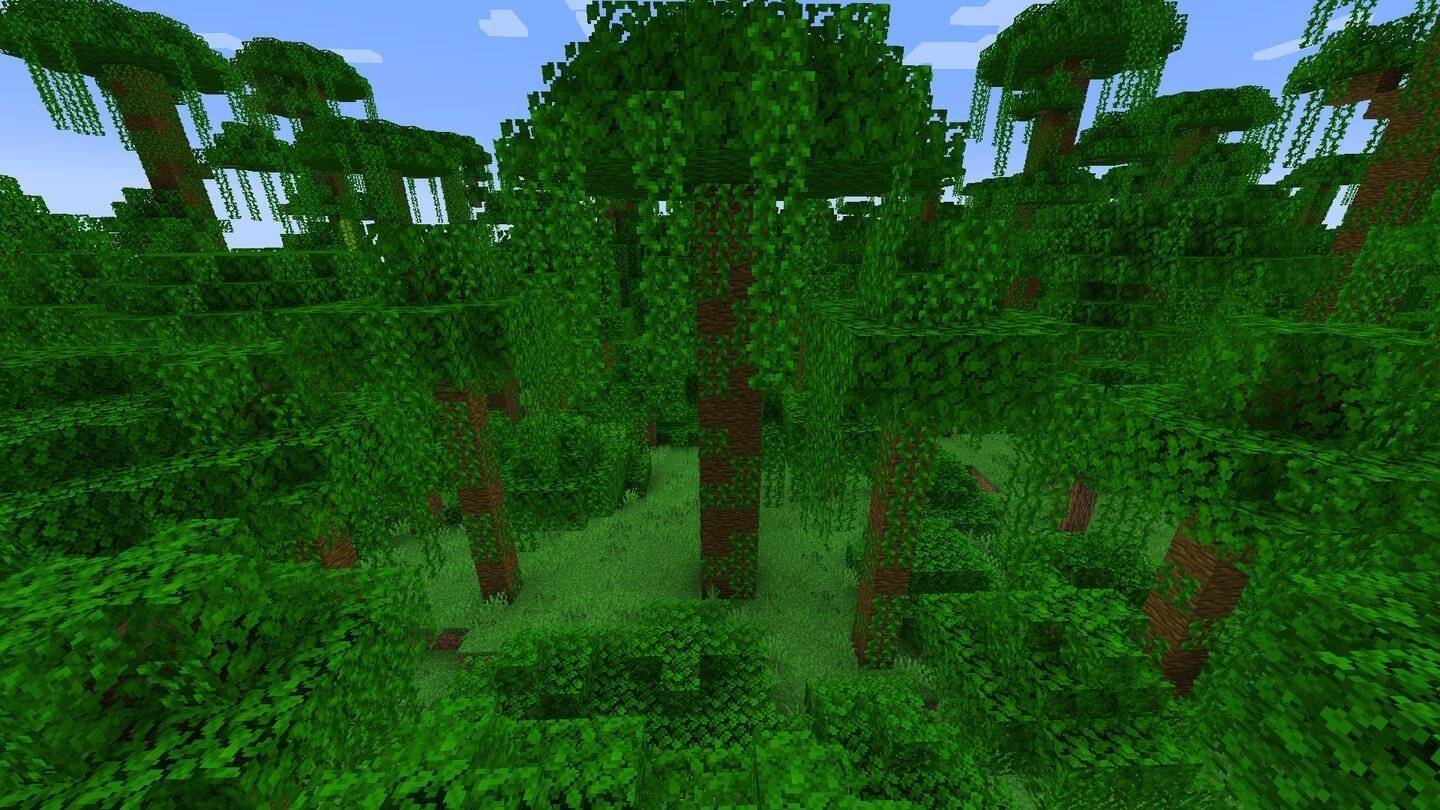 Image: ensigame.com
These towering trees, exclusive to jungle biomes, boast a bright hue, often used for decorative elements. Jungle trees also produce cocoa beans, making them valuable for cocoa farms. Their exotic appearance suits adventure-themed builds or pirate hideouts.
Acacia
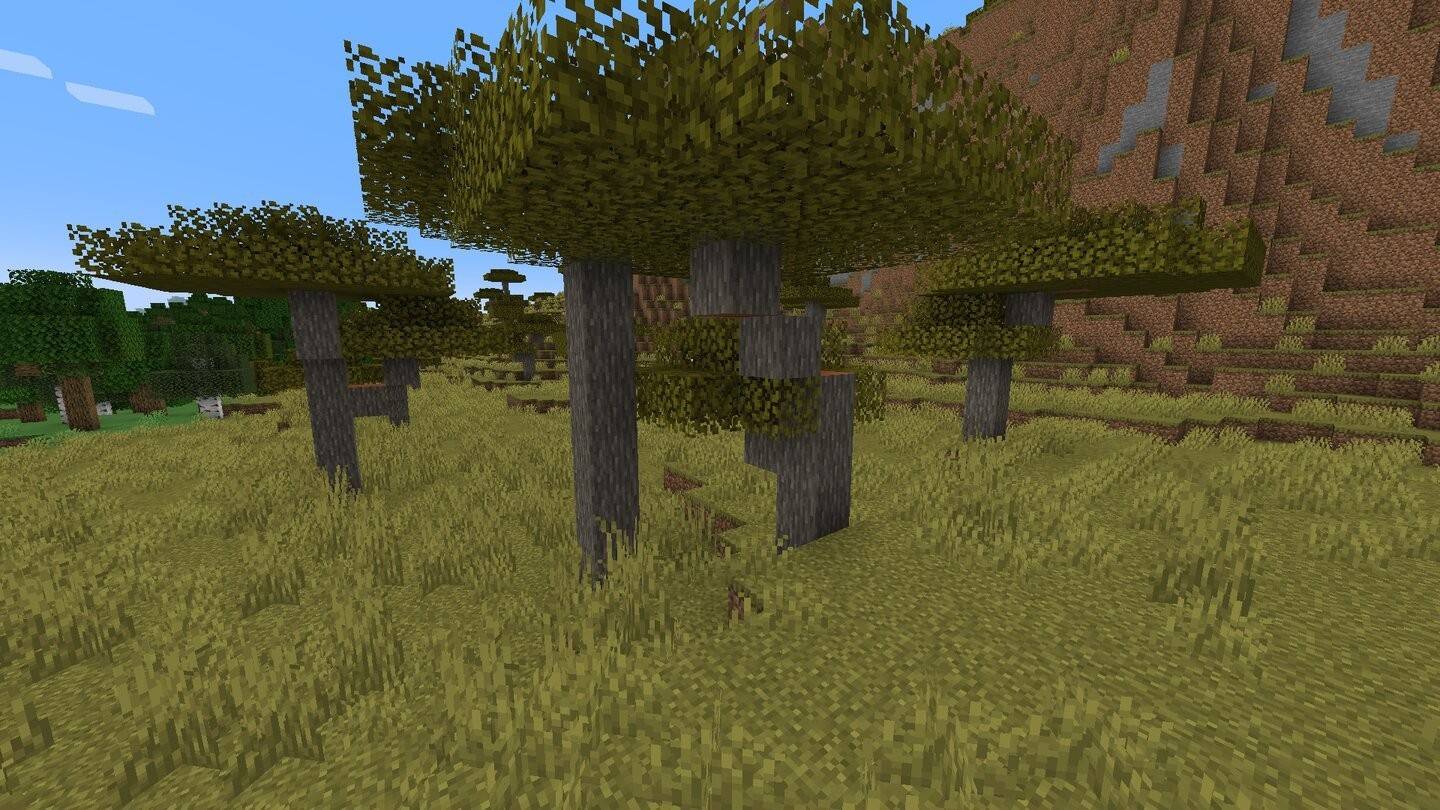 Image: ensigame.com
Acacia wood's reddish tint and unique, horizontally branching structure are hallmarks of savanna biomes. It's perfect for ethnic-style villages, desert bridges, or African-inspired constructions.
Dark Oak
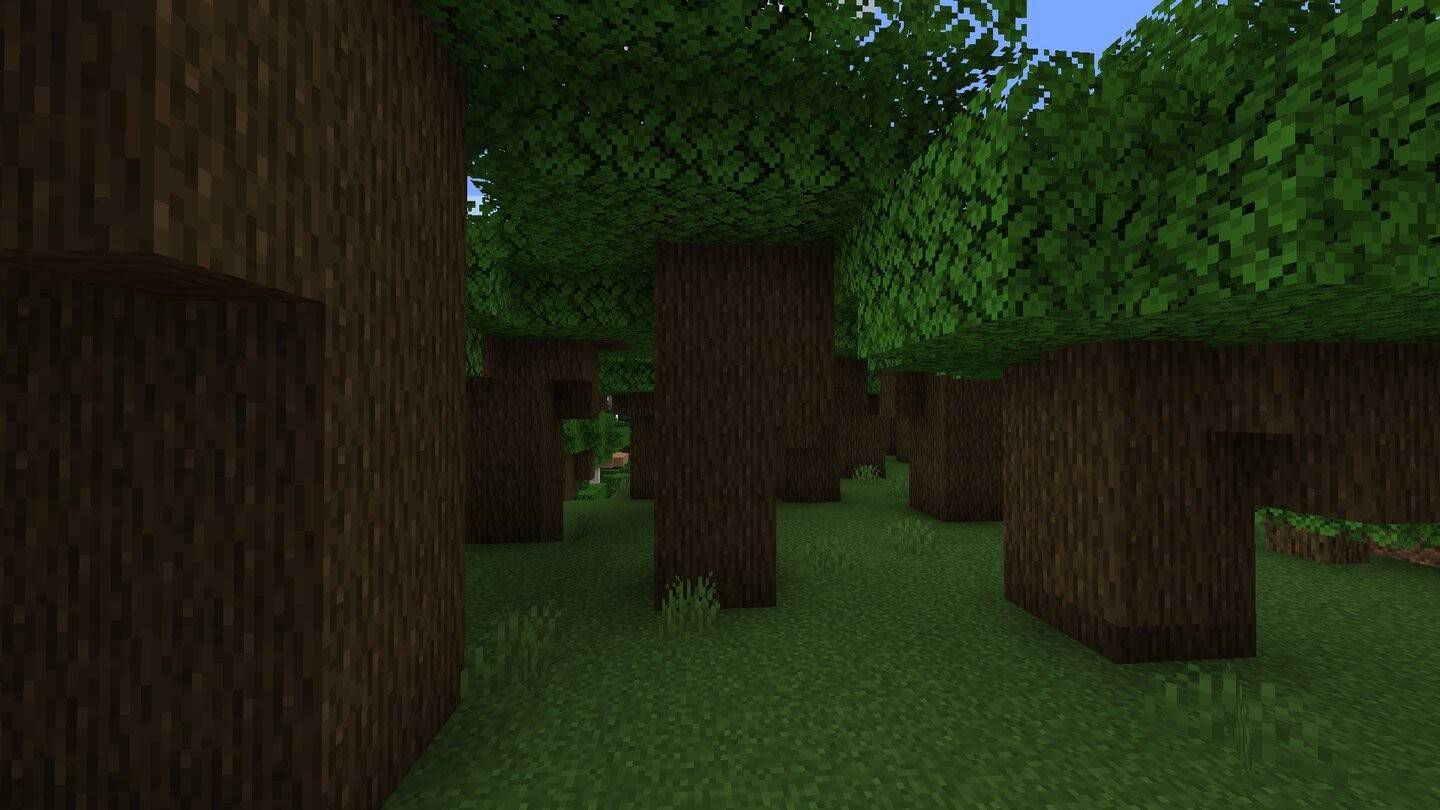 Image: ensigame.com
This rich, chocolate-brown wood is a favorite for castles and medieval structures, though found only in Roofed Forests and requiring four saplings for planting. Its deep texture creates luxurious interiors or imposing doors.
Pale Oak
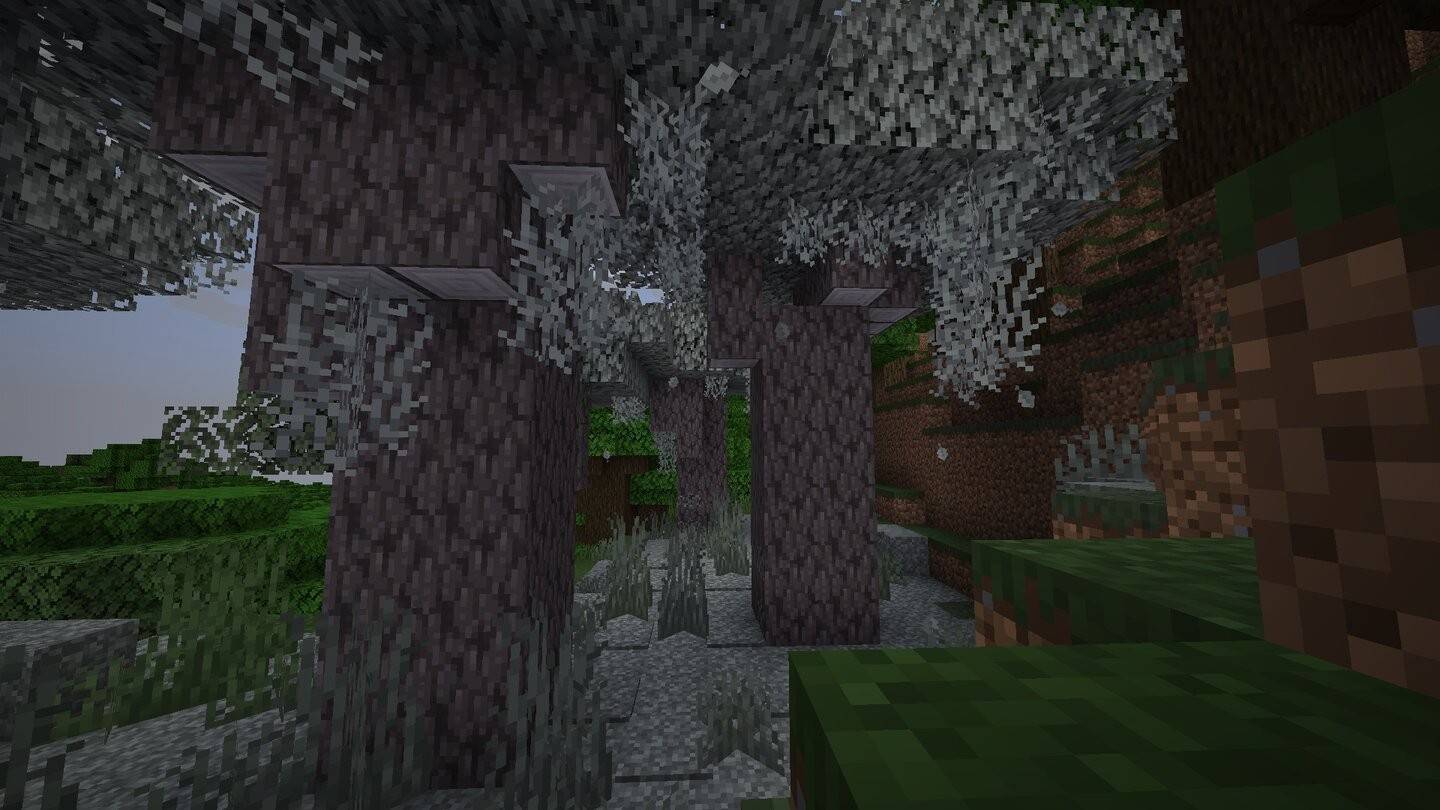 Image: ensigame.com
A rare find in Pale Garden biomes, pale oak shares dark oak's texture but boasts gray tones and hanging moss. Its trunk contains "skripcevina," summoning hostile "skripuns" at night. It pairs beautifully with dark oak, offering textural consistency with contrasting colors.
Mangrove
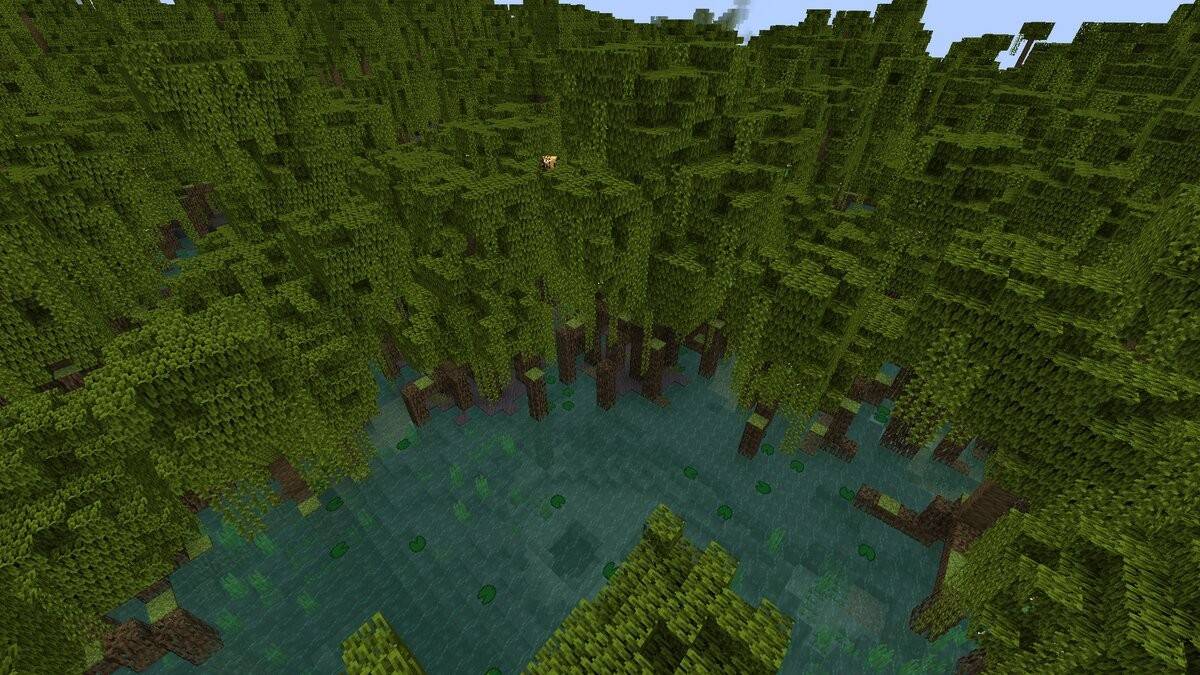 Image: youtube.com
A recent addition, mangrove wood, found in mangrove swamps, has a reddish-brown hue. Its roots serve as decorative building elements. It's ideal for piers, bridges, or swamp-themed structures, adding authenticity to the setting.
Warped
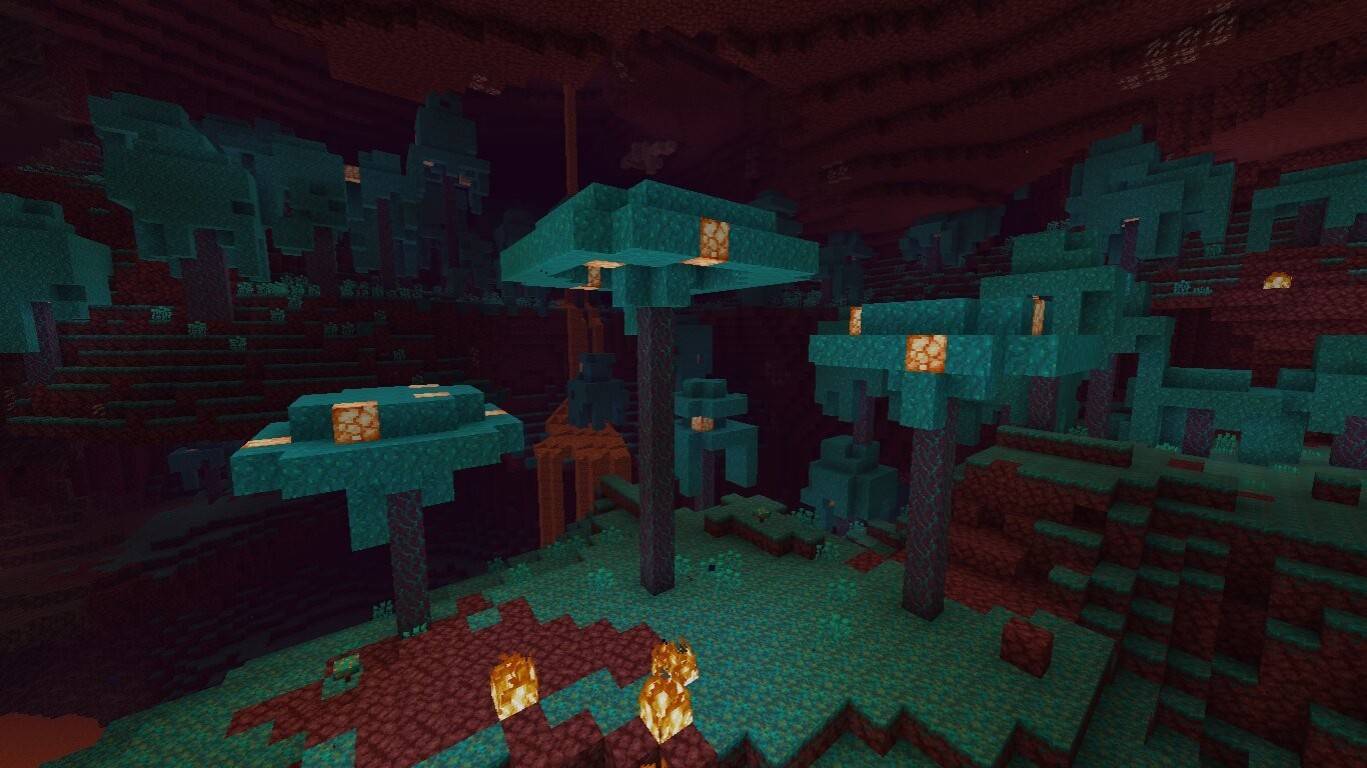 Image: feedback.minecraft.net
One of the Nether's two wood types, warped wood's turquoise color is perfect for fantasy builds. Its bright texture suits magic towers, mystical portals, or decorative gardens. Importantly, Nether wood is fire-resistant.
Crimson
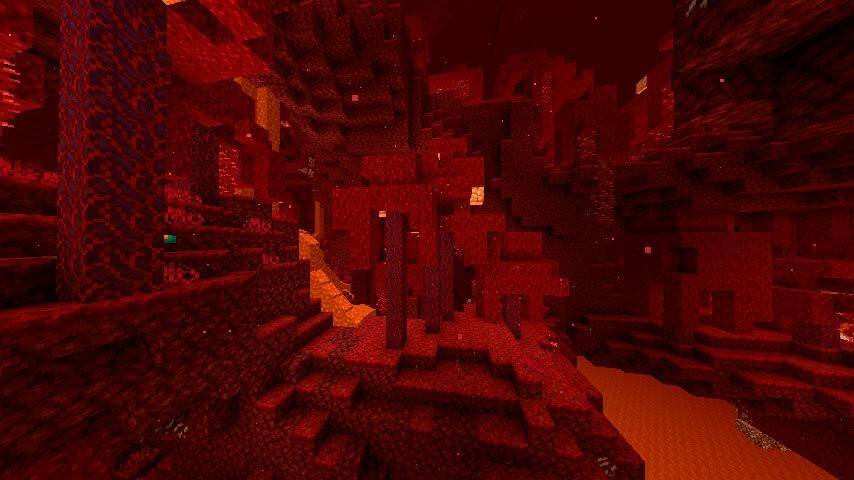 Image: pixelmon.site
The Nether's other wood type, crimson wood's red-purple hue is ideal for dark or demonic themes. Its fire resistance makes it suitable for hazardous environments. It's popular for Nether-themed interiors.
Cherry
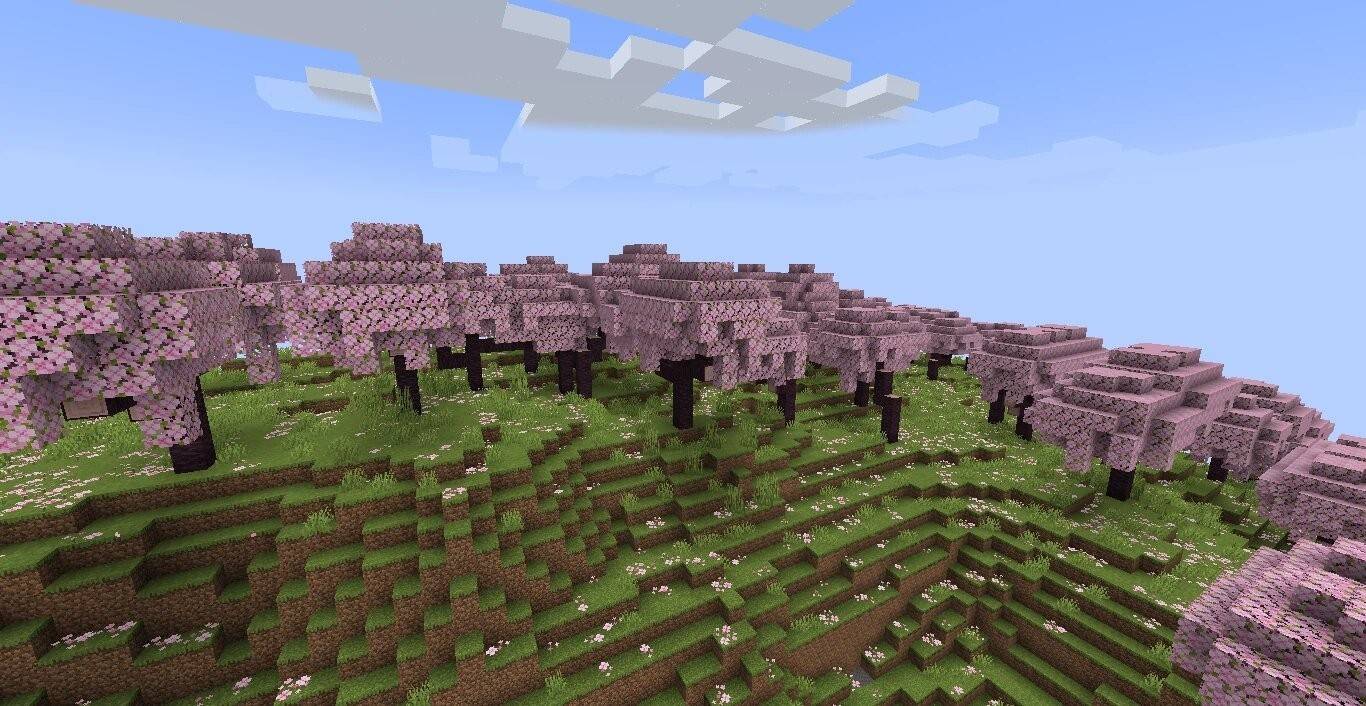 Image: minecraft.fandom.com
Found only in cherry grove biomes, cherry trees feature unique falling-petal particles. Its bright pink wood is often used for interior decoration and crafting unique furniture.
Azalea
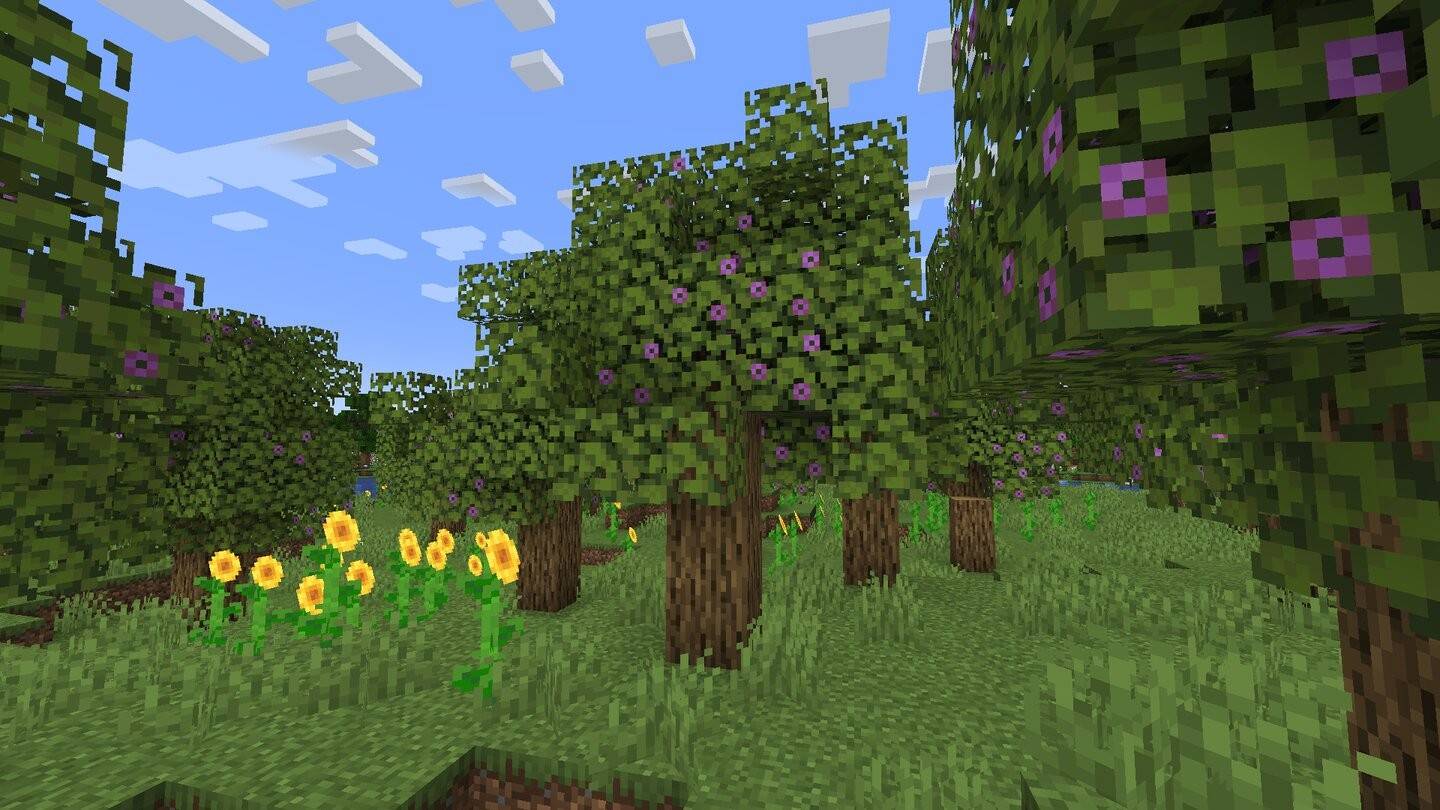 Image: ensigame.com
Similar to oak but with distinctive features, azalea trees grow above lush caves. It's one of two trees with a root system. While its wood is standard oak, the tree's unique blossoms add visual interest.
Beyond crafting, the diverse textures and colors of Minecraft's woods offer endless creative possibilities for building and decorating. Explore the biomes, gather your resources, and let your imagination run wild!
 Latest Articles




 Latest Games



![[グリパチ]CR戦国乙女〜花〜](https://imgs.xddxz.com/uploads/83/17306721726727f62c13377.webp)
![Chubby Story [v1.4.2] (Localizations)](https://imgs.xddxz.com/uploads/85/1719638042667f981a5e9f8.jpg)

![Zia – New Version 0.4 [Studio Zia]](https://imgs.xddxz.com/uploads/47/1719569268667e8b74e6004.jpg)